
Is your spice unit falling behind on orders? Do your grinders overheat during a big batch? Are your customers noticing uneven flavour? A masala making machine is quietly fixing all three problems for small spice brands across India. This blog shows you why it works, and how to pick the right one for your business.
Spice demand in India keeps rising every year. Home cooks want packaged masala. Restaurants want bulk supply. Small brands cannot keep up using old stone grinders, and the search for a dependable masala making machine is now a common topic at supplier meetings.
A masala making machine changes that. It grinds faster, stays cooler, and keeps flavour intact. That is why so many units are switching this year. Word is spreading fast through supplier networks and local spice markets, and word of mouth about the right masala making machine is doing more for sales than any advertisement could.
Old equipment breaks down at the worst time. It overheats. It slows production. It burns your spices during long grinding runs.
Here is what usually goes wrong with outdated setups:
A modern masala making machine solves each of these directly. Instead of fighting your equipment every week, you spend that time growing the business and taking on new orders.
Heat is the enemy of good spice. Traditional grinders generate friction heat that cooks out the natural oils in chilli, turmeric, and coriander.
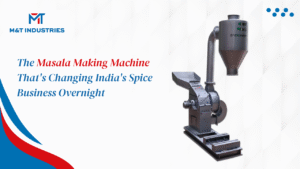
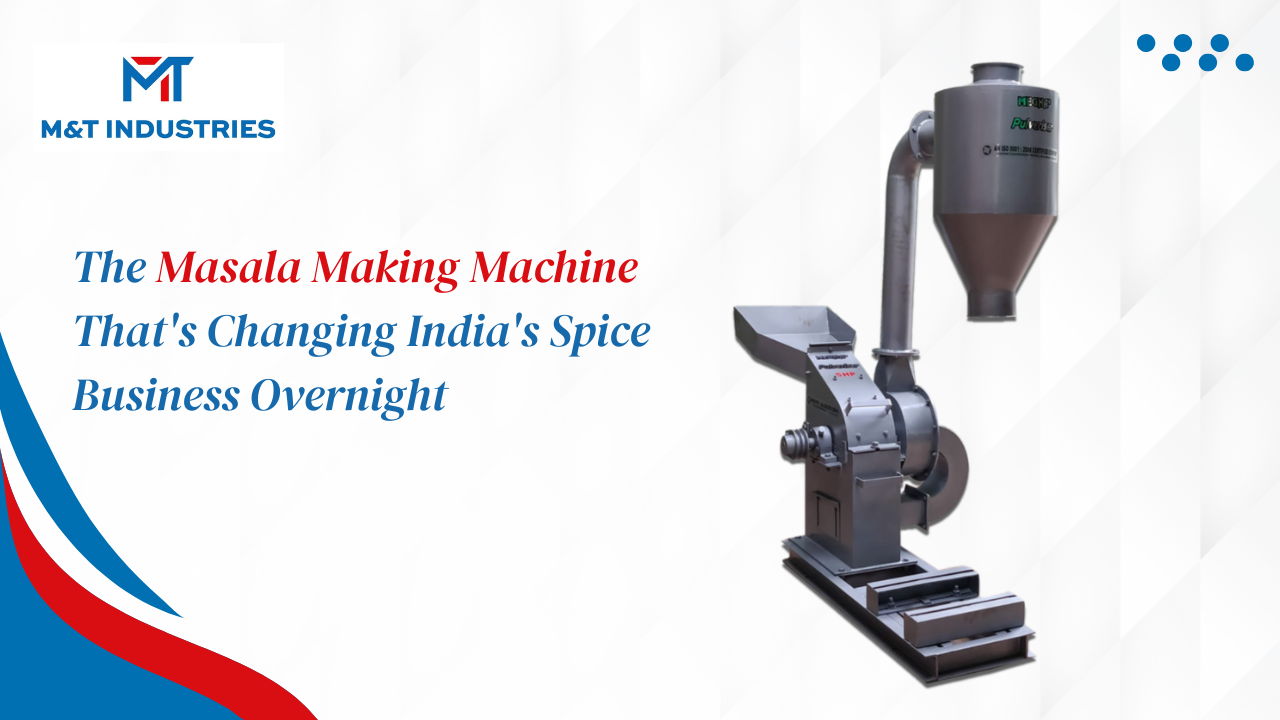
A blower-type masala making machine uses airflow to pull heat away while grinding. This keeps the temperature low. The outcome is a higher-quality powder that still retains its aroma.
This is the sole reason for the noticeable difference between an older batch and a newer one. As soon as customers detect more aroma in your spices, they do not turn to any competitors.
Business owners want numbers, not promises. Here is a quick comparison across common models.
| Model | Power | Approx. Output |
| 2 HP unit | 2 HP | Small batch production |
| 3 HP unit | 3 HP | Growing spice units |
| 5 HP unit | 5 HP | Mid-size factories |
| 7.5 HP unit | 7.5 HP | Large daily volume |
| 10 HP unit | 10 HP | Bulk commercial output |
Each masala making machine size is meant for a different stage of business growth. Selecting the correct one will help save money by not purchasing unnecessary capacity. The smaller size will wear out quicker due to continuous full-capacity operations, while a bigger machine will end up wasting electricity on days when less power is needed.
The investment decision for many small-scale entrepreneurs is always a difficult one. This difficulty normally vanishes when calculations come into play.
Masala making machines usually break even in a few production cycles. Entrepreneurs who keep track of their finances usually note their savings in the very first few months.
Not every masala making machine fits every business. Before you buy, confirm these points.
Getting these details right avoids wasted money on the wrong model. It also saves you the hassle of upgrading again just a year later because the first machine could not keep up.
Food Processing Machinery manufactures its masala making machine range with a full stainless steel body and a motor built for long daily runs. The models range from 2HP for smaller machines to 10HP for commercial bulk production. All the machines come with an overload protection switch, which safeguards the motor against overloads. This type of construction quality explains why so many people end up buying our machines over and over again, especially those who are new to manufacturing.
A masala making machine is not only for large factories. It suits:
If your daily grinding volume is growing, this machine keeps pace with that growth. Businesses that once struggled with a single grinder now run full shifts without a single unplanned stop.
India’s spice business is changing fast. Buyers want fresher masala, made faster, without losing flavour. A well-built masala making machine delivers exactly that. Reduction in labour costs, maintenance of your product’s quality, and supports operations during peak times. If you are having trouble keeping pace with your present system, this might be the upgrade that you should seriously consider.
Ready to Upgrade Your Spice Business? Contact the official WhatsApp number at +91 99980 59938 to get pricing and model details. You can also follow us on WhatsApp, Instagram, YouTube, and Facebook for more such machinery updates.
Models range from 2 HP for small units to 10 HP for large-scale commercial production.
Yes, in a good way. Blower-type designs keep heat low, which protects the natural aroma and oils in the spice.
No. Stainless steel parts wipe down quickly and stay hygienic for daily use.
A built-in safety switch stops the machine automatically, protecting the motor from damage.
Contact the WhatsApp number above with your daily volume and business size. You will receive model suggestions and pricing directly.