

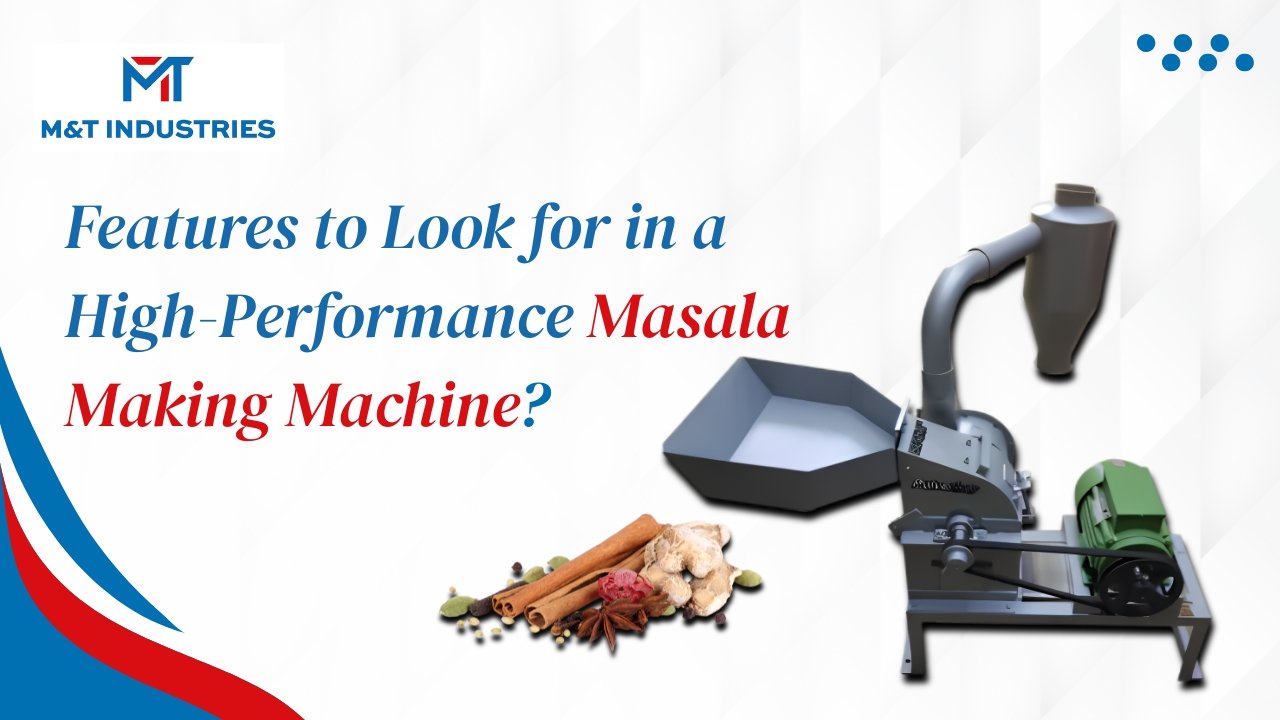
Does a bigger motor always mean a better grind? Most people think high price equals high quality. That is a big myth. A Masala Making Machine needs specific parts to work well. I spent weeks looking at different models before I found a good one.
I learned that speed is not the only thing. A Masala Making Machine must stay cool while it runs. If it gets too hot, the spices lose their smell. I made that mistake with my first cheap unit. The chili powder smelled burnt and tasted flat.
A Masala Making Machine needs a strong motor to crush hard spices. Turmeric and dried ginger are very tough. A weak motor will smoke and die. I look for at least three horsepower for heavy work. It makes the grinding process much smoother.
Copper winding is better than aluminum for the motor. It lasts longer and handles heat better. My Masala Machine runs for an hour without stopping. I feel safe using it for big batches. It is a workhorse in my small kitchen setup.
Stainless steel is the only choice for a Masala Making Machine. It does not rust. It is very easy to wash. I saw some iron machines at the market. They were cheaper, but they looked dirty. You do not want rust in your food.
Food-grade steel keeps the taste pure. My Machine has a shiny finish inside. I just wipe it down after use. It looks new even after six months of hard work. It is worth the extra money for health reasons.
| Material | Durability | Food Safety | Cleaning Ease |
| Stainless Steel | Very High | Excellent | Easy |
| Cast Iron | High | Poor | Difficult |
| Plastic | Low | Fair | Medium |
The blades are the heart of a Masala Making Machine. They must be thick and sharp. I prefer four-way blades for a fine grind. They catch every seed and turn it into dust. Dull blades just move the spices around.
I check if the blades are replaceable. Sometimes they break if a stone gets inside. My Machine came with an extra set. That was a very nice surprise. It shows the company cares about the user.
Every Masala Making Machine makes some noise. It is a powerful tool. But it should not sound like a crashing car. I like machines with rubber feet. They soak up the shaking and keep the noise lower.
My neighbors used to complain about my old grinder. This new Machine is much quieter. I can grind my spices early in the morning now. It feels much more professional. Nobody likes a machine that rattles the whole table.
Safety is something I never skip. A Masala Making Machine has very sharp parts. It must have a locking lid. I once saw a lid fly off because it was loose. It was very messy and dangerous. Look for an emergency stop button. It is a big red switch on the side. If something sounds wrong, hit it fast.
A Masala Making Machine can get very dusty. The fine powder goes everywhere. I like models that come apart easily. If I can’t reach the corners, the old spice rots. That makes the next batch smell bad.
I use a small air blower for the deep parts. Then I wipe the outside with a cloth. A clean machine lasts much longer. It is a simple habit that saves a lot of trouble later. Don’t be lazy with cleaning.
Grinding creates a lot of heat. A good machine has air vents. These vents let the hot air out. If the machine stays cool, the spices stay fresh. Heat is the enemy of good flavor.
I look for a built-in fan near the motor. It keeps the gear running smoothly. I ground ten kilos of coriander last week. The machine stayed cool the whole time. That is the sign of high performance.
Do not buy a huge machine for a small home. It takes up too much space. I measured my counter before I bought mine. A compact unit is perfect for most families. Just make sure it fits your needs.
If you sell spices, get a bigger one. I started small and then upgraded. A professional unit can handle more weight. It depends on how much you cook every day. Think about your future needs, too.
Oil the moving parts if the manual says so. I do this once a month. It keeps the parts from squeaking. Check the wire for any cuts, too. Rats sometimes chew on them in the storage room.
I keep mine covered with a cloth when not in use. This keeps the dust out of the motor. A well-kept tool is a loyal friend. It will serve you for many years without any big repairs.
Buying the right machine is a big deal. It changes how your kitchen works. You will save time and get better flavor in your food. It is a very honest investment for your health.
Just look for the features I mentioned. Don’t rush into a bad deal. A good machine makes the work feel like play. You will love the fresh smell in your home every day.
Follow us on Facebook and Instagram for more updates and spicy tips!
A good motor lasts for five to ten years with proper care.
No, this machine is only for dry spices and grains.
Yes, stainless steel is safer for food and much easier to clean.
Most machines are plug-and-play and very easy to start.
You can call Foodprocessingmachinery. +91 99980 59938 for help with parts and service.